How to Diagnose Common Household Issues Before Calling a Handyman
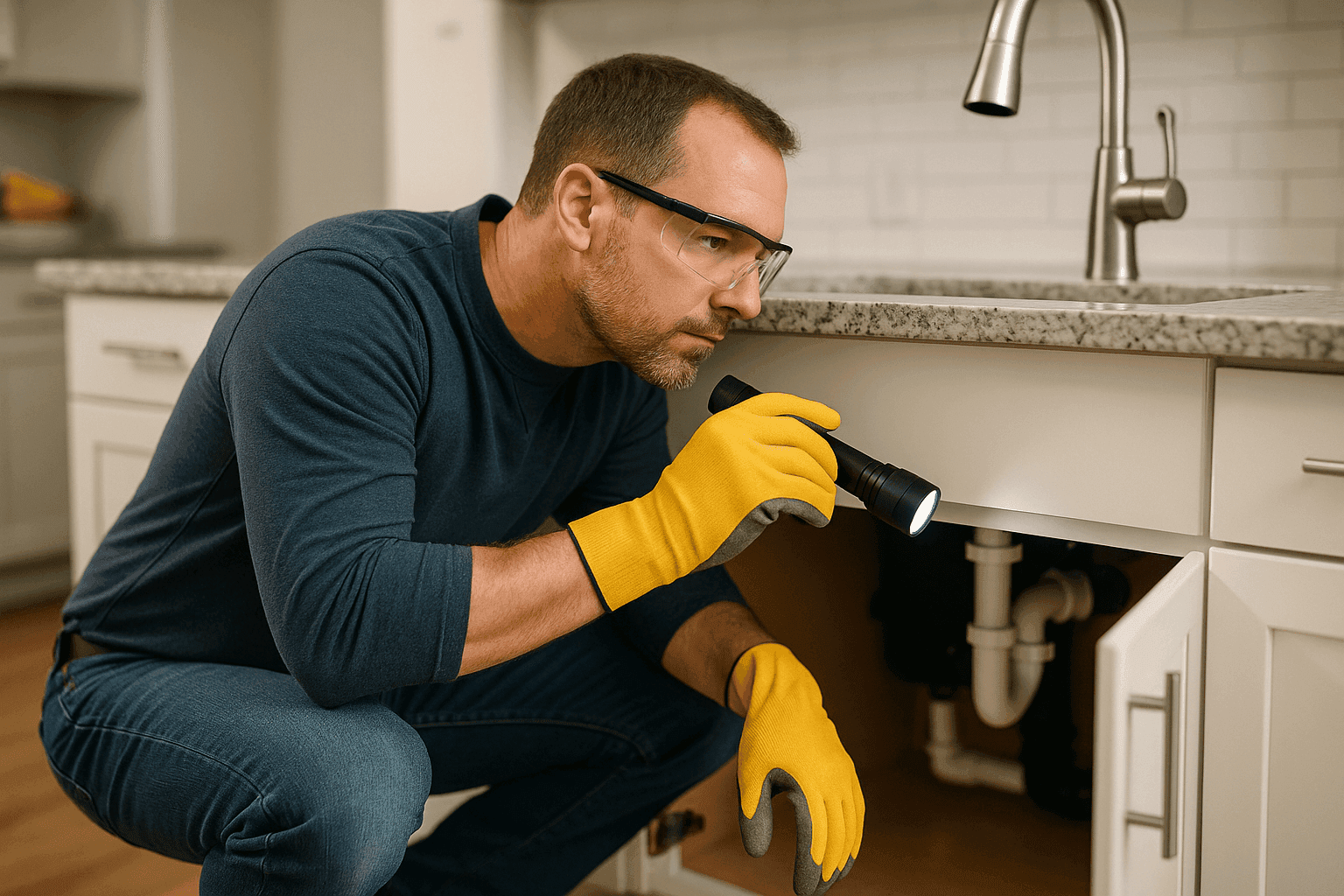
Homeownership is a journey of surprises. Some are pleasant—like finding an old photo under the floorboards. Others, well, come in the form of dripping pipes, flickering lights, or a mysterious crack that appeared overnight.
At All Ways Handyman, we know that the line between “I can fix this” and “I need help” isn’t always clear. A quick look can sometimes save you time, money, and worry. Let’s walk through what to check, when to act, and when to pick up the phone.
Top Signs of Common Household Problems 🛠️
Every home tells a story. Listen closely, and you’ll hear the warning signs.
Plumbing Leaks
- Puddles under sinks or appliances
- Water stains on ceilings or walls
- Musty odors in bathrooms, basements, or under the kitchen sink
- Dripping sounds, even when fixtures are off
Electrical Faults
- Lights flickering or dimming without cause
- Outlets or switches warm to the touch
- Frequent breaker trips or blown fuses
- A burning smell near outlets or panels
Drywall Cracks & Damage
- Jagged or widening cracks above windows or doors
- Bulges or soft spots on walls or ceilings
- Peeling paint or bubbling wallpaper
Doors & Windows
- Sticky, hard-to-open doors or windows
- Drafts or whistling sounds on windy days
- Visible gaps around frames
- Difficulty locking or latching
These signals are like the “check engine” light for your house. Ignore them, and small fixes can grow into big repairs.
Simple Diagnostic Steps for Homeowners
Before you call for help, a few safe checks can offer clues.
For Plumbing Leaks
- Use a dry paper towel to dab around joints and pipes—look for moisture.
- Check your water meter before and after two hours of no water use. If it moves, you may have a hidden leak.
- Smell for earthy, musty odors near suspect areas.
For Electrical Issues
- Unplug appliances in the affected area to see if the problem persists.
- Test outlets with a lamp or phone charger you know works.
- If you hear buzzing or crackling, stop—don’t touch anything further.
For Drywall Cracks
- Measure the width with a coin: If it’s wider than a nickel, it’s worth monitoring closely.
- Gently press around the crack—if the wall feels spongy, water damage might be present.
For Doors & Windows
- Open and close each door or window slowly—does it stick or scrape?
- Hold a tissue near closed windows on a windy day—movement means air leaks.
Safety First: Never open electrical panels, handle wet wiring, or attempt repairs if you’re unsure. If something feels unsafe, stop and call a professional.
Red Flags That Require Immediate Help 🚨
Some problems can’t wait. If you spot any of these, call a handyman right away:
- Water pooling on floors or dripping from ceilings (especially near lights)
- Outlets sparking, emitting smoke, or feeling hot
- Large, sudden cracks in walls or ceilings—especially if doors no longer close
- The smell of gas or sulfur (leave the home and call emergency services)
Fast action can mean the difference between a quick fix and a major headache.
Building Trust with Professional Assessments
A seasoned handyman isn’t just a fixer—they’re a detective. At All Ways Handyman, we follow proven steps and safety guides, including recommendations from the National Fire Protection Association and local building codes.
When you call, here’s what happens:
- Careful inspection using proper tools (moisture meters, voltage testers)
- Checking for root causes, not just surface problems
- Explaining what’s wrong, in plain language
- Laying out your repair options—no pressure
You get peace of mind knowing your home is in good hands.
When to Try DIY—and When to Call a Handyman
Sometimes, a simple tweak is all it takes. Other times, a pro’s touch is safer and more effective.
DIY Is Okay For:
- Tightening a loose doorknob or cabinet hinge
- Replacing worn weatherstripping
- Minor caulking around tubs or sinks
Call a Handyman For:
- Anything involving wiring or breakers
- Signs of water behind walls or ceilings
- Cracked tiles, loose flooring, or persistent drafts
- Projects involving ladders, heavy lifting, or special tools
If you’re unsure, it’s always safer to ask.
Prevention & Maintenance Tips
A little routine care goes a long way. Here’s how you can prevent bigger problems:
- Check under sinks for leaks monthly
- Test smoke detectors every season
- Clean gutters in spring and fall
- Inspect caulk around windows and tubs for gaps or peeling
- Wipe up spills quickly to prevent flooring damage
The International Association of Certified Home Inspectors recommends a seasonal maintenance checklist—keeping your home healthy and safe year-round.
Costs & Time Factors
Every repair is unique. But some general guidelines can help set expectations.
- Minor fixes (tightening, patching, simple replacements): 30 minutes to 2 hours
- Moderate repairs (small drywall patches, minor plumbing): 2–4 hours
- Major repairs (significant leaks, electrical troubleshooting, large carpentry): Half a day or more
Material costs vary. Labor is typically billed by the hour or the job—be wary of quotes that seem too good to be true.
When It’s an Emergency
Don’t wait if:
- Water is coming through ceilings or walls
- You smell burning or see smoke from an outlet
- You hear a loud pop or see a spark when flipping a switch
- A window or door won’t close securely and it’s storm season
Swift action can prevent thousands in damage—and protect your peace of mind.
Frequently Asked Questions
How do I know if a crack in my wall is serious?
Small, hairline cracks are common as homes settle. If a crack is wider than a nickel, jagged, or growing quickly, have it inspected.
Why do my lights flicker when I use the microwave?
This can mean overloaded circuits or faulty wiring. If it happens often, call a handyman for a safe electrical assessment.
Can I fix a dripping faucet myself?
If you’re comfortable turning off the water and swapping a washer, yes. If you spot corrosion or water under the sink, it’s best to call in help.
Is it safe to hang heavy pictures myself?
If you know where the wall studs are and use the right anchors, you can hang most pictures. For heavy mirrors or shelves, consider All Ways Handyman for Picture Hanging near you.
Local and Seasonal Considerations 🌦️
Every region faces unique home challenges. In wet climates, leaks and mold are more common. Dry, windy areas may see cracked caulk and drafty windows. Seasonal changes—like freeze-thaw cycles—can make doors stick or cause new cracks.
Schedule seasonal maintenance. Address small issues before the weather turns. Your home will thank you.
Home repairs don’t have to be stressful. When you know what to look for, you’re one step ahead. If you spot a problem—or just want peace of mind—reach out to All Ways Handyman.
Call All Ways Handyman now — or reach us anytime at 877-715-0772 .